

Why Sooner is Smarter
Musculoskeletal (MSK) issues often start small — a tight back, sore knee, or stiff shoulder. But when ignored, these symptoms can grow into long-term injuries that impact everyday life and work performance.
Early physical therapy can interrupt that cycle. By addressing pain and movement issues when they first appear, PT helps people recover before things escalate. Instead of waiting weeks for referrals or tests, early PT connects individuals with licensed therapists who assess the issue and begin treatment right away, through movement, not medication.
The benefits are clear: faster recovery, fewer unnecessary interventions, and better long-term outcomes. It’s not just about healing. Early PT helps people stay engaged, avoid chronic conditions, and return to the things they care about with confidence.
And when that same early approach is brought into the workplace? The impact is even greater.
What Early PT and Early Intervention Include
Whether delivered onsite or in the clinic, early access to physical therapy helps address discomfort before it progresses into a more serious injury or lost time from work. By identifying movement limitations, strength deficits, or ergonomic risks early, we can guide employees toward the right care at the right time—often preventing the need for more complex or costly interventions. Early intervention focuses on restoring function, reducing pain, and supporting safe, sustainable performance on the job. A typical early intervention plan may include:

Direct access to physical therapy (no referral needed)
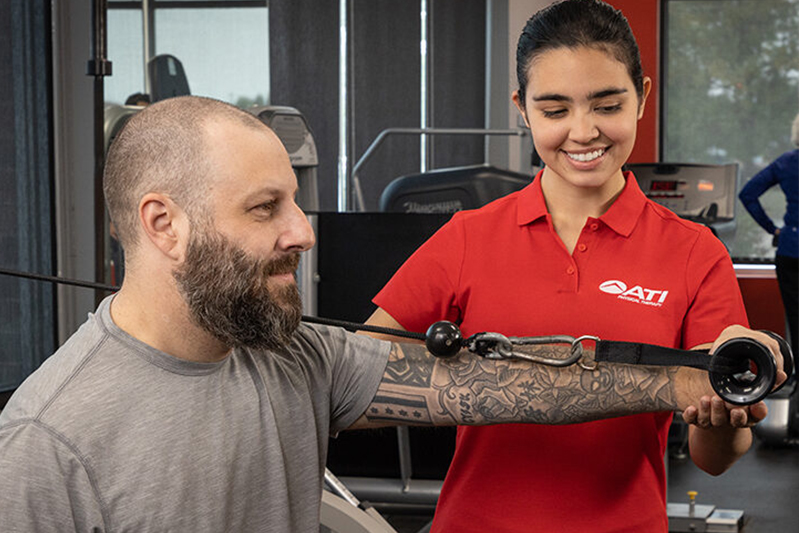
Personalized, job-specific treatment plans
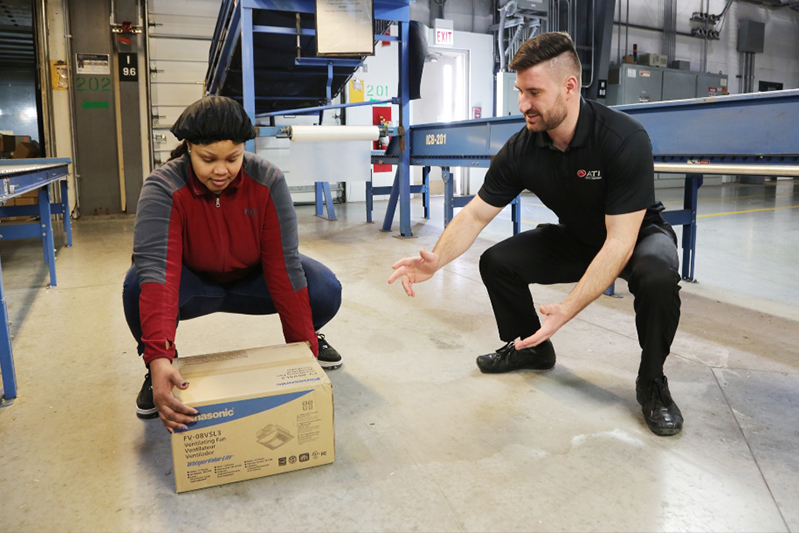
Education around safe movement and body mechanics

Ergonomic assessments and workplace recommendations

On-site support or virtual follow-up
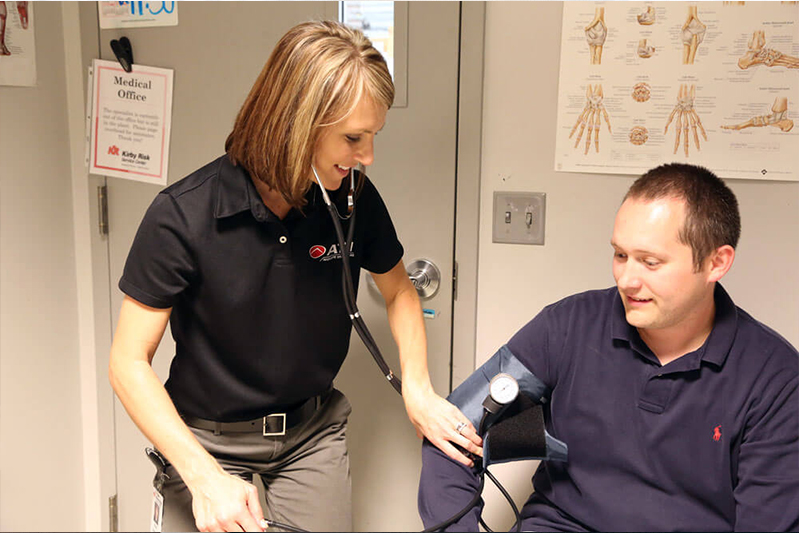
Guidance for long-term prevention and wellness

Early PT at Work: Proactive, Not Reactive
ATI’s Early Intervention Specialists™ work directly within employer settings to address MSK symptoms before they become recordable injuries. These onsite providers are embedded with your team, focused on prevention, not just treatment.
They help identify and resolve common contributors to workplace discomfort, including:
- Poor body mechanics and posture
- Ergonomic stressors
- Previous injuries
- General wellness concerns
- Health behaviors and movement habits
- Psychosocial risks that affect recovery
By stepping in early, these programs improve employee health, reduce injury rates, and lower both workers’ comp and commercial insurance costs.